

Sender für Fledermäuse


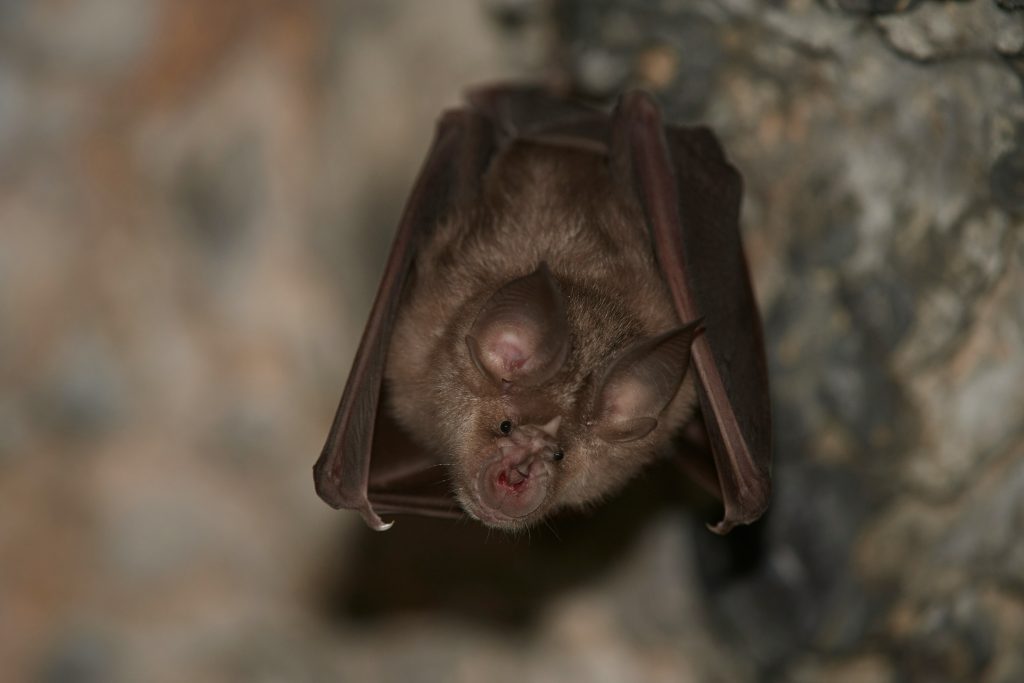


Unsere Empfehlung für einzelne Arten
Hier sind unsere Sender-Empfehlungen für die einzelnen Fledermausarten, die aus der Zusammenarbeit mit unseren Kunden hervor gegangen sind. Nicht mit aufgeführt sind hier unsere Spezialsender, welche ganz spezifisch für Ihren Zweck entwickelt werden.
| Wissenschaftlicher Name | Literatur | Gewicht | Senderempfehlung |
| Barbastella barbastellus | Scherber, 1774 | 6-14 g | G29D14 V5, G29D8 V5+, G38D10 V3, G38D8 V3+ |
| Eptesicus nilssonii | Keyserling & Blasius, 1839 | 8-18 g | G38D10 V3, G38D8 V3+ |
| Eptesicus serotinus | Scherber, 1774 | 18-35 g | G38D10 V3, G38D8 V3+ |
| Miniopterus schreibersii | Kuhl, 1817 | 9-18 g | G38D10 V3, G38D8 V3+ |
| Myotis alcathoe | Helversen & Heller, 2001 | 3,5-6 g | G25D12 V7 |
| Myotis bechsteinii | Kuhl, 1817 | 7-12 g | G29D14 V5, G29D8 V5+, G38D10 V3, G38D8 V3+ |
| Myotis brandtii | Eversmann, 1845 | 4-9 g | G25D12 V7 |
| Myotis daubentonii | Kuhl, 1817 | 6-12 g | G29D14 V5, G29D8 V5+, G38D10 V3, G38D8 V3+ |
| Myotis emarginatus | Geoffroy, 1806 | 6-15 g | G29D14 V5, G29D8 V5+, G38D10 V3, G38D8 V3+ |
| Myotis myotis | Borkhausen, 1797 | 20-40 g | G38D10 V3, G38D8 V3+ |
| Myotis mystacinus | Kuhl, 1817 | 4-8 g | G25D12 V7 |
| Myotis nattereri | Kuhl, 1817 | 7-12 g | G25D12 V7, G29D14 V5, G29D8 V5+, G38D10 V3, G38D8 V3+ |
| Nyctalus lasiopterus | Schreber, 1780 | 33-60 g | G38D10 V3, G38D8 V3+ |
| Nyctalus leisleri | Kuhl, 1817 | 8-23,5 g | G29D14 V5, G29D8 V5+, G38D10 V3, G38D8 V3+ |
| Nyctalus noctula | Scherber, 1774 | 17-45 g | G38D10 V3, G38D8 V3+ |
| Pipistrellus kuhlii | Kuhl, 1817 | 5-10 g | G25D12 V7, G29D14 V5, G29D8 V5+ |
| Pipistrellus nathusii | Keyserling & Blasius, 1839 | 6-15,5 g | G25D12 V7, G29D14 V5, G29D8 V5+, G38D10 V3, G38D8 V3+ |
| Pipistrellus pipistrellus | Scherber, 1774 | 3-8 g | G25D12 V7, G29D14 V5, G29D8 V5+ |
| Pipistrellus pygmaeus | Leach, 1825 | 4-8 g | G25D12 V7, G29D14 V5, G29D8 V5+ |
| Plecotus auritus | Linnaeus, 1758 | 6-14 g | G29D14 V5, G29D8 V5+, G38D10 V3, G38D8 V3+ |
| Plecotus austriacus | Fischer, 1829 | 6-14 g | G29D14 V5, G29D8 V5+, G38D10 V3, G38D8 V3+ |
| Plecotus austriacus | Fischer, 1829 | 6-14 g | G29D14 V5, G29D8 V5+, G38D10 V3, G38D8 V3+ |
| Rhinolophus ferrumequinum | Schreber, 1774 | 15-34 g | G38D10 V3, G38D8 V3+ |
| Rhinolophus hipposideros | Bechstein, 1800 | 4-9 g | G25D12 V7 |
| Vespertilio murinus | Linnaeus, 1758 | 10-23 g | G38D10 V3, G38D8 V3+ |
Weitere Sender
Dieses absolute Leichtgewicht wurde speziell für den Einsatz an großen Insekten, wie zum Beispiel der asiatischen Hornisse, entwickelt und eignet sich für die händische Telemetrie.
| Gewicht | ≤ 0,17 g |
| Laufzeit | > 3 Tage |
| Leistung | ~ 200 µW |
| BpM | ~ 60 bpm |
| Pulslänge | ~ 20 ms |
Nichts Passendes gefunden? Selbstverständlich gehen wir auch direkt auf Ihre Wünsche ein. Sprechen Sie uns an und wir finden den optimalen Sender für Ihren Einsatz.
| Gewicht | ab 0,17 g |
| Laufzeit | min. 3 Tage |
| Leistung | custom |
| BpM | custom |
| Pulslänge | custom |
